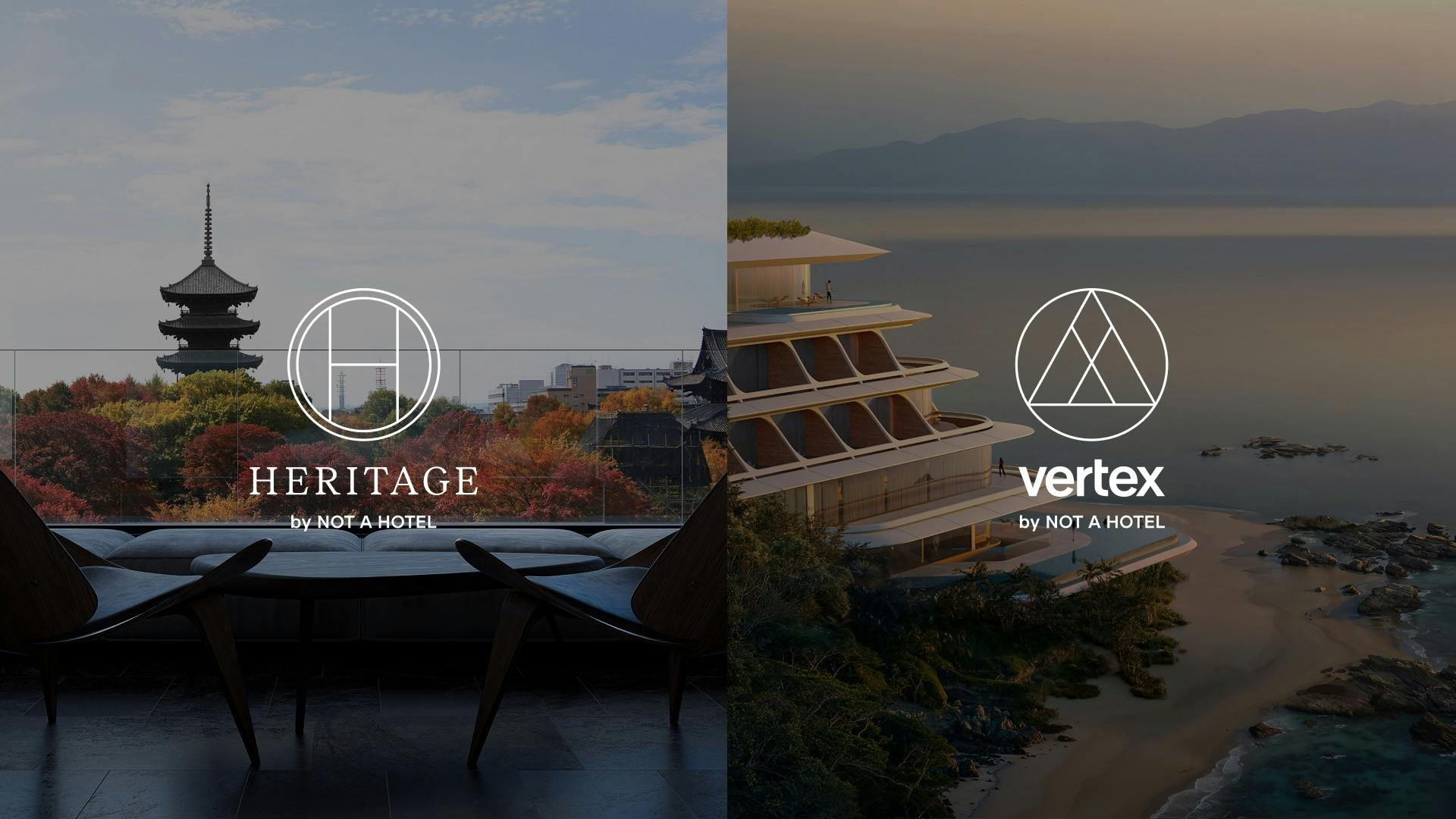
NOT A HOTEL Launches its First Hotel Brands: HERITAGE and vertex
The inaugural vertex project in Okinawa will be Japan’s first hotel designed by Zaha Hadid Architects. The first HERITAGE project will be located at Kyoto’s Tō-ji Temple
December 15, 2025
Tokyo, Japan (December 15, 2025) — NOT A HOTEL Co., Ltd. (Shibuya-ku, Tokyo, CEO: Shinji Hamauzu, hereinafter referred to as "NOT A HOTEL") announced plans today to launch its first hotel brands: HERITAGE by NOT A HOTEL and vertex by NOT A HOTEL.
HERITAGE by NOT A HOTEL builds upon important pieces of architectural tradition, such as temples and museums, with a contemporary sensibility in order to carry their history forward into the future. vertex by NOT A HOTEL, by contrast, offers cutting-edge lifestyles that embody future-forward thinking at the intersection of architecture, technology, and design.
Until now, the company has primarily developed villas for shared ownership, but with these two brands, NOT A HOTEL will also offer hotels for use by the general public.
The first projects will be:
・ HERITAGE: Renovating the former temple lodging at the UNESCO World Heritage Site Tō-ji Temple (Kyōō Gokoku-ji) in Kyoto
・ vertex: Launching a hotel project in Okinawa, designed by Zaha Hadid Architects in the firm’s first-ever Japanese hotel project
https://notahotel.com/heritage-vertex
vertex by NOT A HOTEL First Project: Okinawa
The first vertex hotel project will be in Okinawa from Zaha Hadid Architects, the architectural firm founded by the late Zaha Hadid in 1980. Zaha Hadid Architects (ZHA), renowned worldwide for an architecture of invention that looks to the future, will undertake their first hotel project in Japan. The project aims to organically integrate innovative technology and design with Okinawa’s rich natural environment.
ZHA’s design for vertex continues the firm’s relationship with Japan that began four decades earlier with internationally acclaimed designs for intricate pavilions, buildings, and interiors informed by the country’s renowned landscapes and urbanism, creative tradition, and immaculate craftsmanship.
Nestled between the turquoise waters with white sand beaches and the steep terrain of the surrounding forest, the design has been carefully integrated within its 25,322 sq. m2 site to mitigate environmental disturbance. Offering uninterrupted ocean views and privacy for each villa, the hotel includes facilities and amenities of the highest standards for guests and residents.
Conceived to preserve the island’s unique coastal and marine ecosystems, environmental considerations have been a guiding principle shaping the hotel’s architectural design and engineering, site strategy, material selection and procurement, as well as the development of specialist construction processes to minimise environmental impact.
The hotel’s architecture is defined by the contours of the site’s Ryukyu Limestone formations and surrounding forest. Composed of Pleistocene coral reef sedimentary layers initially deposited 400,000 years ago, this unique geology and its humid microclimate cultivate a dense subtropical rainforest along the coast. Led by the stringent requirements and guidelines established by the island’s forestry commission and marine conservationists in addition to the local environmental authorities, ZHA’s design ‘floats’ above the landscape at the narrow boundary between the forest and beach to significantly reduce its footprint within these two natural ecosystems and maintain the site’s biodiversity.
A continuation of the existing rock formations within the site, the design follows the contours of the shoreline, articulated as a series of stepped horizontal terraces, courtyards and gardens that echo the site’s varied topography. The composition, orientation, and materiality of the hotel have been informed by detailed investigations of its oceanfront site. Variations in temperature, humidity, rainfall, prevailing winds, solar irradiation, and air quality, as well as fluctuations in daily ground and sea conditions, have been mapped throughout the year to build comprehensive digital models informing the design’s development and refinement to enhance the comfort of residents and guests, prioritise ocean views, in addition to optimise the hotel’s environmental performance within Okinawa’s humid subtropical climate.
A twelve-month analysis of the site’s daily solar irradiation determined the design of the hotel’s distinctive canopies that extend from the structure to describe a series of sheltered terraces that mirror the topography of the site and cascade towards the shoreline. A contemporary interpretation of the pronounced overhangs and deep eaves evident within the island’s traditional vernacular architecture, these bespoke canopies create a variety of shaded outdoor living spaces and walkways for residents and guests.
The hotel extends the rich tradition within Okinawa’s historical architecture of showcasing the meticulous craftsmanship of master builders and artisans working with the region’s finest materials. Intricately carved Okinawa pine and limestone from local quarries, as well as ceramics produced in nearby workshops, embed the hotel within its surrounding landscape and continue the island’s unique cultural heritage.
Designed to optimize the prevailing Kāchibē winds that blow inland from the ocean during the island’s humid summer months, the architecture promotes natural ventilation in all communal areas, guest rooms, suites and villas. Located within the Pacific Ocean’s East Monsoon weather system, the hotel’s structure elevates all facilities at least 6.5 meters above the high-water line and has been designed to weather the intense wind forces, precipitation, and storm surges of the region’s summer typhoons. This structure also incorporates advanced engineering measures to withstand impacts of seismic events on the island's coastline.
Mitigating impact to local ecosystems during construction and operations, the modular structure and facade systems are composed of meticulously crafted prefabricated components finished with a unique tone and texture to echo the fine white sands of the region’s coral beaches. Embodying a circular approach to construction, these precision engineered concrete elements will incorporate recycled aggregates sourced from the islands’ redundant structures that have reached the end of their operational lifecycle.
More details about the construction and operations schedule will be shared in the future.
Comment from Zaha Hadid Architects:
Ludovico Lombardi, ZHA Project Director, said: “Informed by the site’s remarkable topography, the design is a continuation of ZHA’s ongoing research of composition and materiality that is driven by explorations of landscape formations evident in nature. The stepped canopies of the hotel gently transition from the unique geology of the shoreline to the dense vegetation of the rain forest—giving uninterrupted views of the ocean and a deep connection to the surrounding environment, while providing a sense of privacy that enriches user experience and charts a journey of discovery through the varied natural ecosystems of the region.”
About Zaha Hadid Architects
Zaha Hadid Architects (ZHA) redefined architecture for the 21st century with a repertoire of projects that have captured imaginations across the globe. Creating buildings uniquely tailored to the communities they serve, ZHA has been awarded the highest honours from professional and academic institutions worldwide. Founded by Zaha Hadid, ZHA is one of the world’s most innovative architectural studios—and has been for almost 50 years. These five decades of detailed research are inscribed within ZHA’s buildings which become more spatially inventive, more structurally efficient, more technologically advanced, and more environmentally considerate with each new design. ZHA’s 500 staff in five offices worldwide are currently developing projects in 34 countries across six continents—combining pioneering design solutions with ecologically sound materials and sustainable construction practices to meet the aspirations of our new generation.
CG renderings
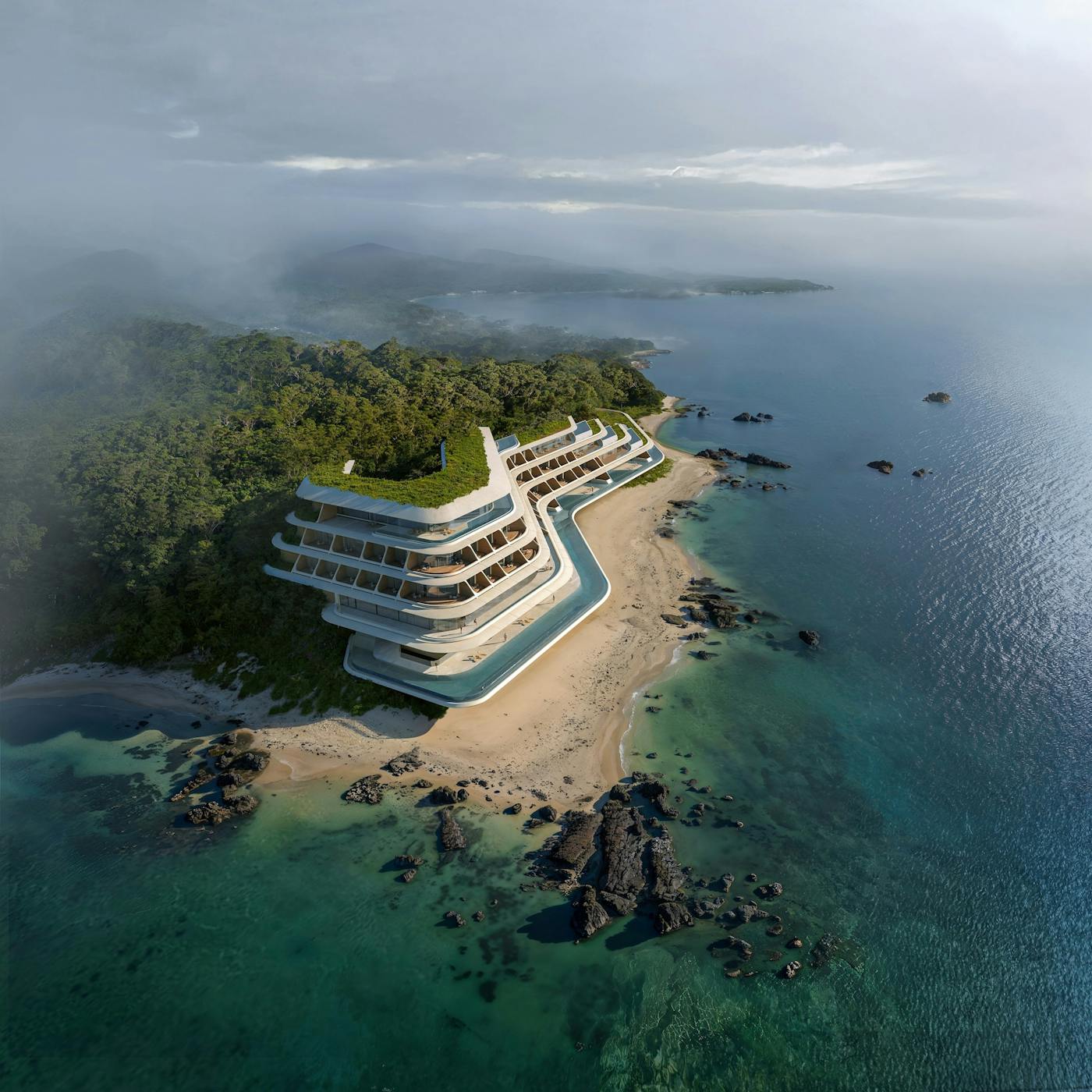
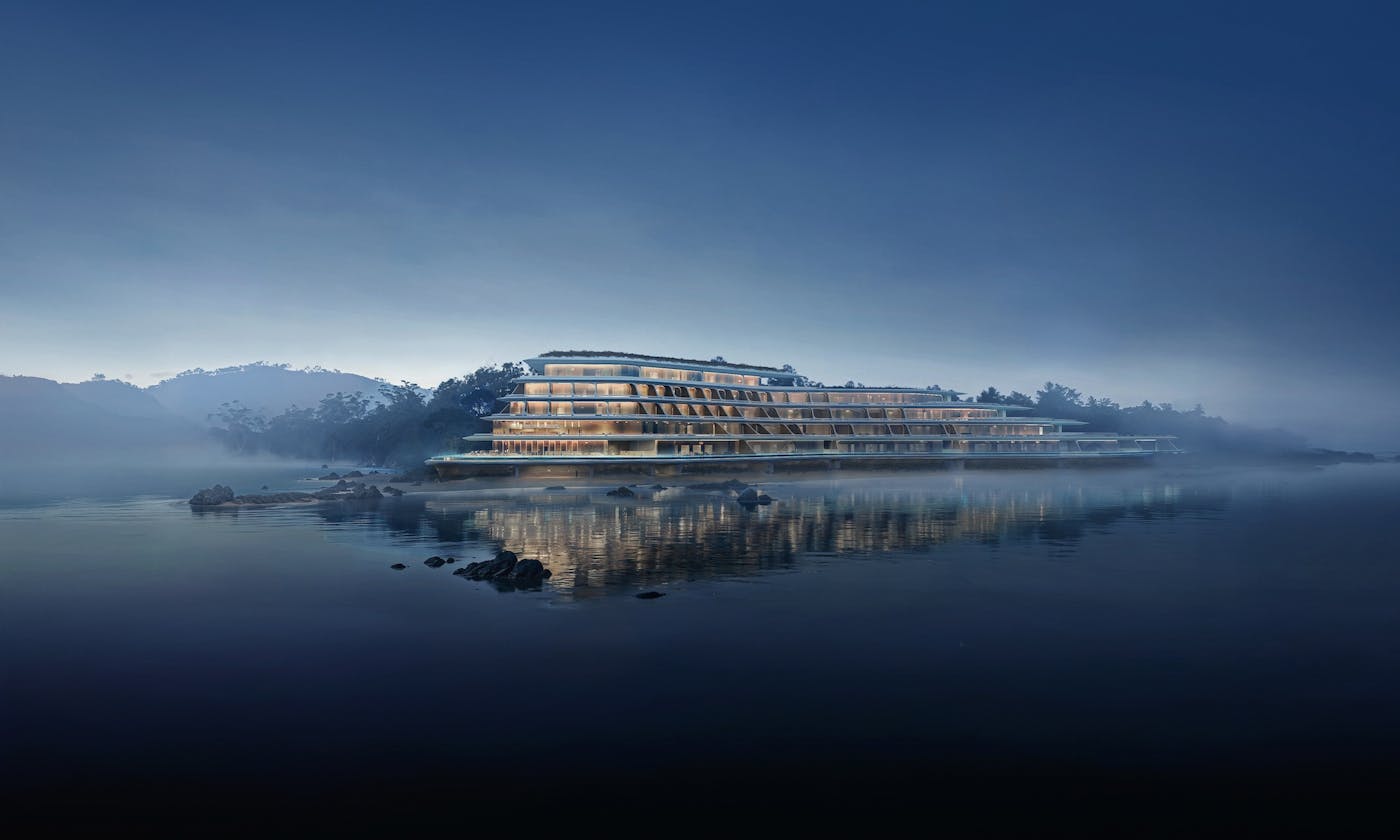
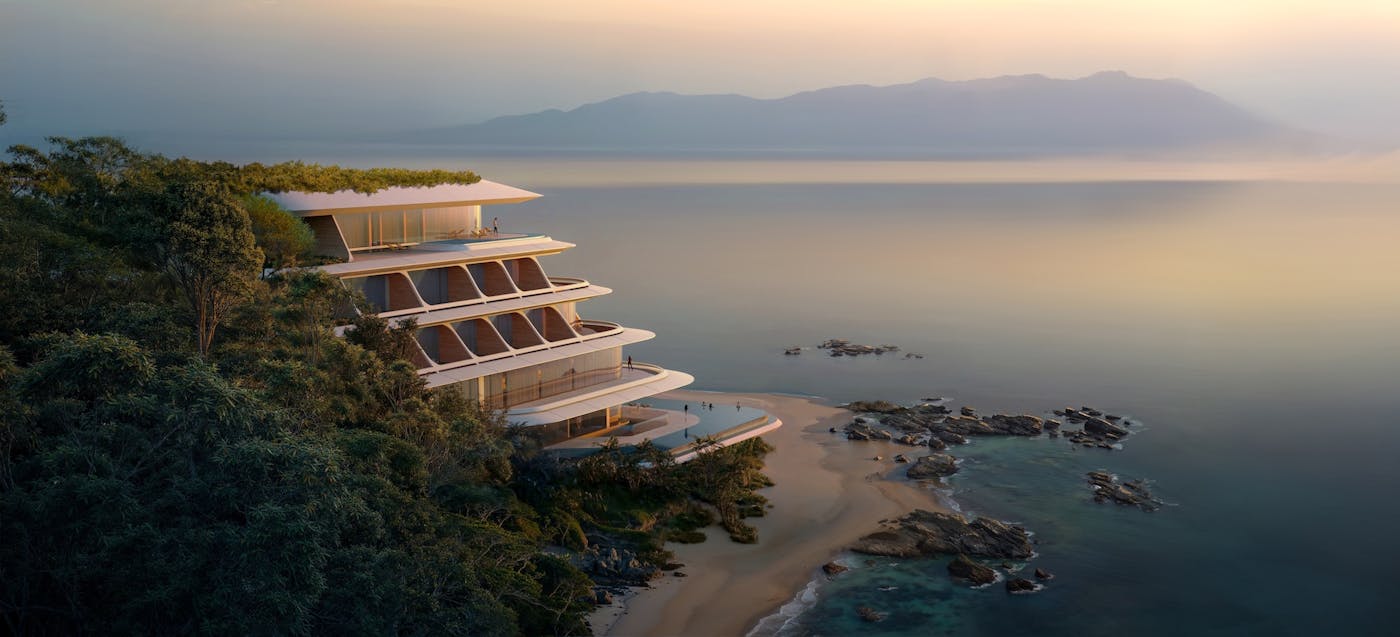
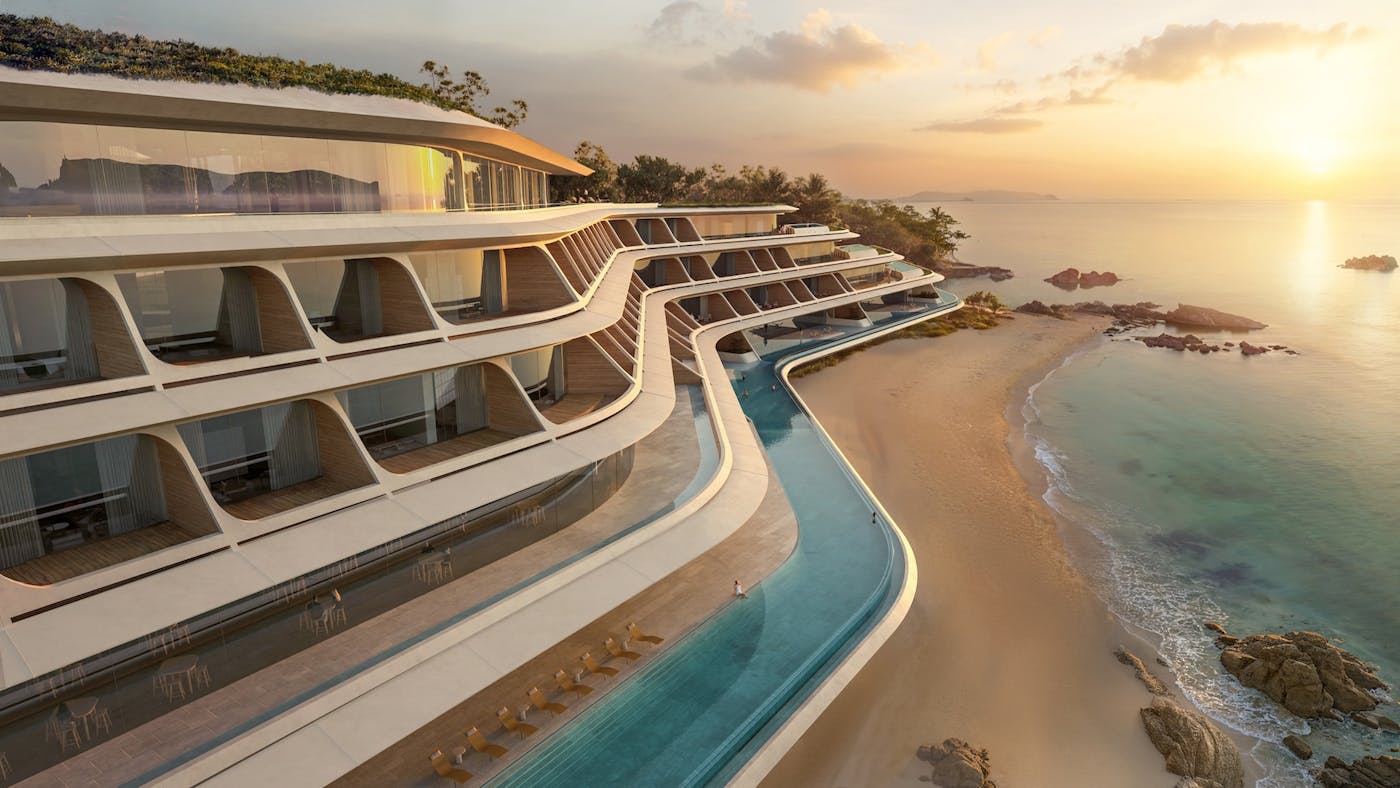
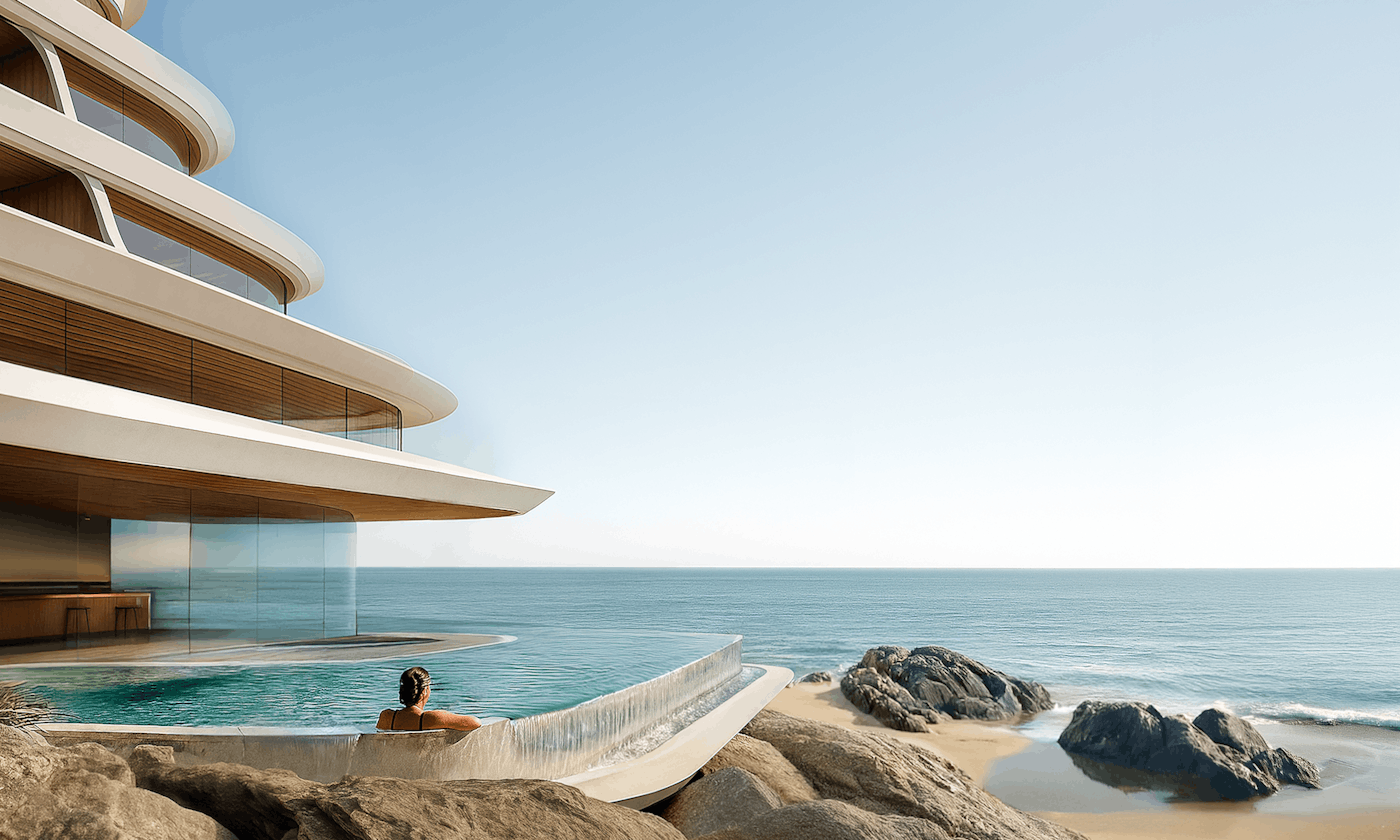
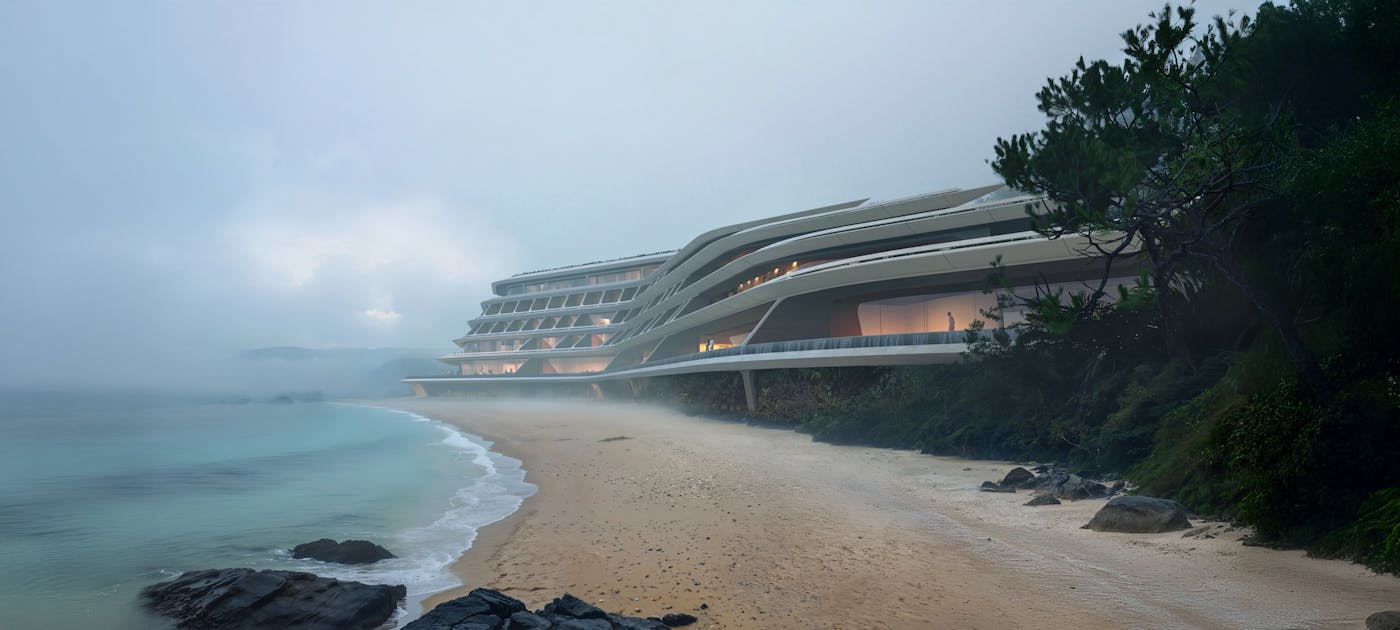
All CG renderings shown are for illustrative purposes only. Specifications are subject to change.
HERITAGE by NOT A HOTEL’s First Project: Tō-ji Temple in Kyoto
HERITAGE by NOT A HOTEL is a hotel brand that reinterprets traditional architecture—such as temples and museums—through a contemporary perspective and sensibility. Revenue generated from the revitalized buildings will circulate back into restoration and preservation costs, supporting a sustainable future for the architecture itself and the surrounding local culture.
The first project for the brand reimagines a former temple lodging at Tō-ji Temple (Kyōō Gokoku-ji) in Kyoto, where the spirit of the Heian period remains alive. By weaving Kyoto’s traditions into a contemporary spatial design, the architecture is revived as a timeless work of art.
In this place where monks and pilgrims once rested, the hotel will continue its history as a sanctuary that soothes and calms the hearts of people living today.
Starting from Kyoto’s Tō-ji Temple, the initiative will expand nationwide, reinterpreting underutilized historical assets across Japan through a modern lens and passing them on to future generations as “heritage for tomorrow.”
More details about the construction and operations schedule will be shared in the future.
The Reasons Behind HERITAGE by NOT A HOTEL
Across Japan, there are countless valuable architectural assets—temples, traditional townhouses (machiya), museums, and historic buildings. However, due to the challenges of maintenance and a lack of financial resources, many are left unused, deteriorate over time, and ultimately face demolition. According to a survey by the City of Kyoto, approximately 11.7% of Kyoto machiya disappeared within just seven years*, highlighting the seriousness of cultural asset loss.
At the same time, with rising construction material costs and worsening labor shortages, there is increasing momentum for renovation and adaptive reuse. Society is now looking not only for new construction, but for ways to redesign existing buildings with a contemporary sensibility and connect them to the future.
Until now, NOT A HOTEL has worked to find beautiful lands with untapped potential and invite internationally renowned architects and creators to produce one-of-a-kind architecture and experiences that maximize the latent potential of regions and cultures. Under the mission of “making Japan even more valuable,” NOT A HOTEL is taking on a new challenge: the preservation and succession of cultural properties and historic buildings.
HERITAGE by NOT A HOTEL is not a project merely to preserve, but to transform cultural assets into spaces where contemporary people can stay, gather, and experience, ensuring their sustainable continuation into the future. From places where history and the present intersect, we will create “heritage for tomorrow” for the next generation.
(*Source: Kyoto City, “Kyomachiya Urban Development Survey” conducted in FY2016, with a 7-year follow-up reported in 2023.)
CG renderings
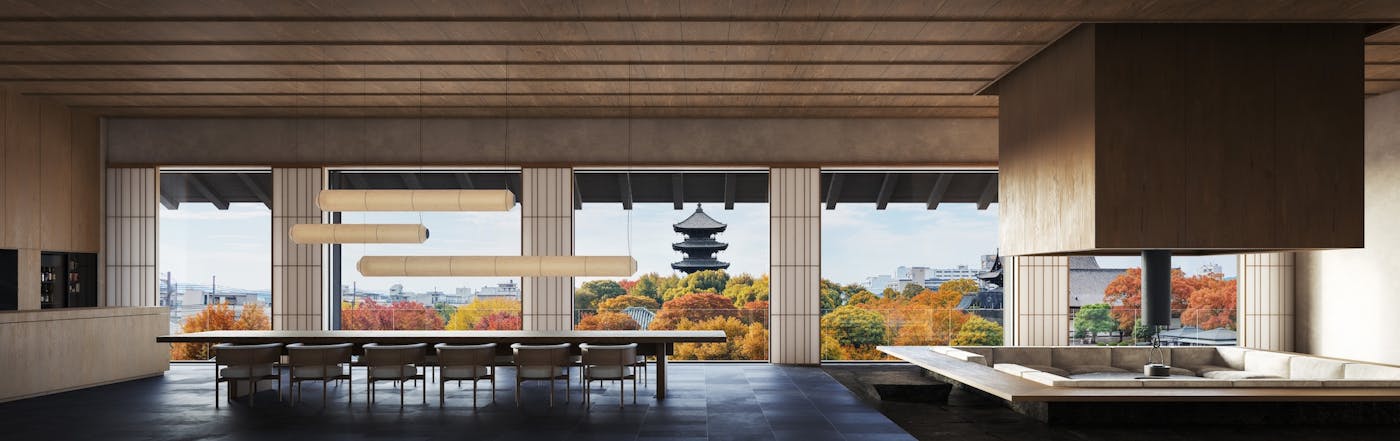
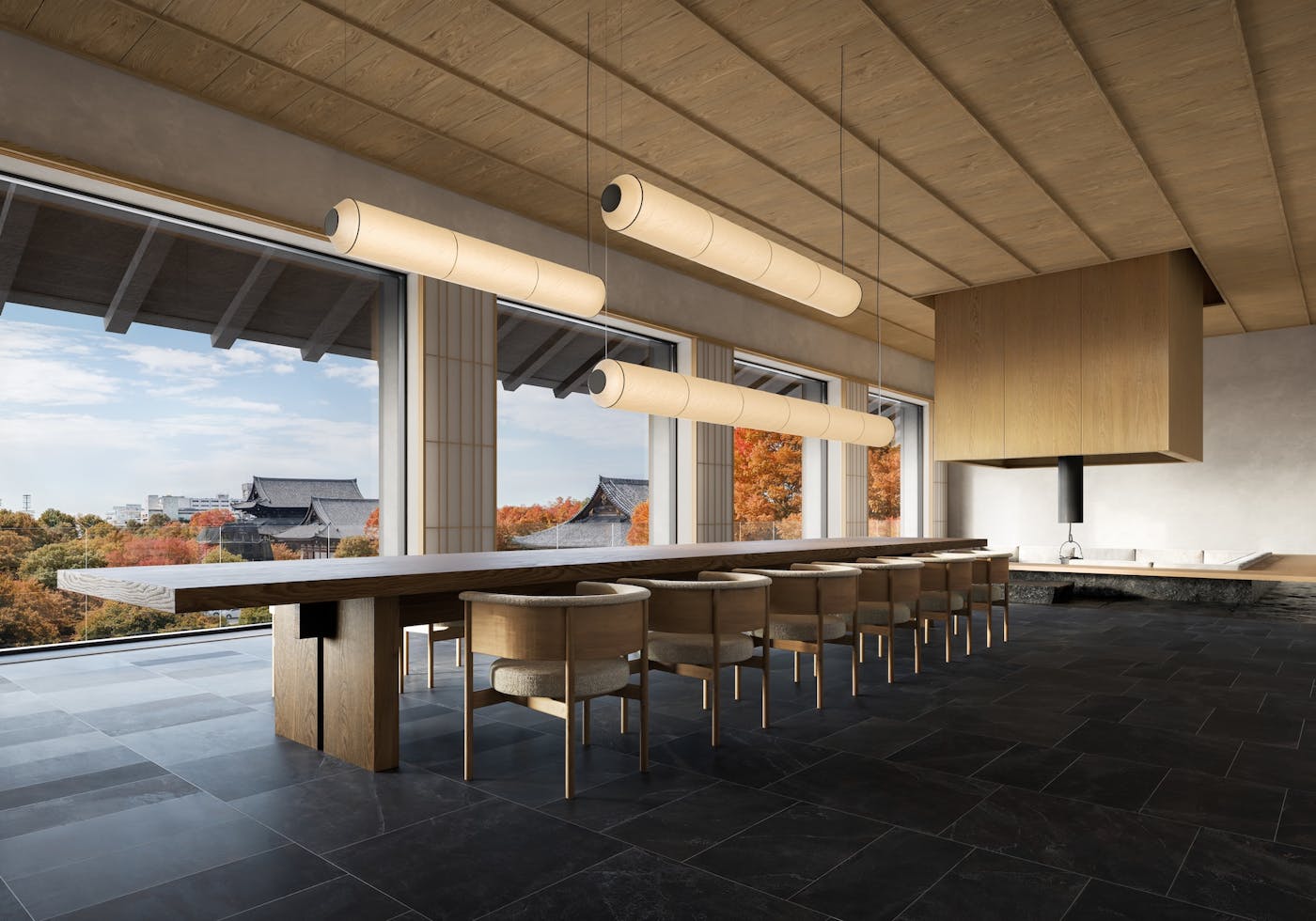
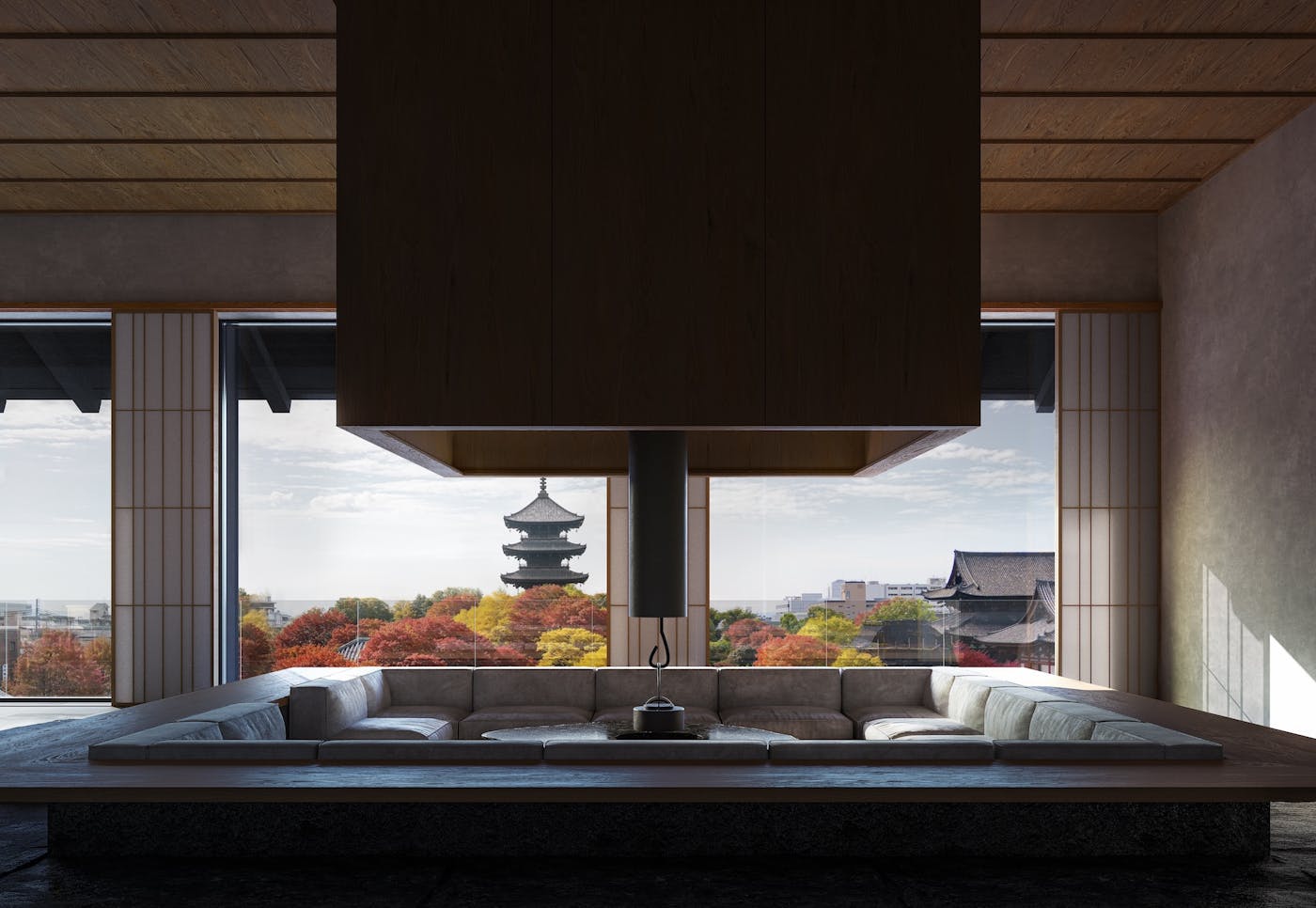
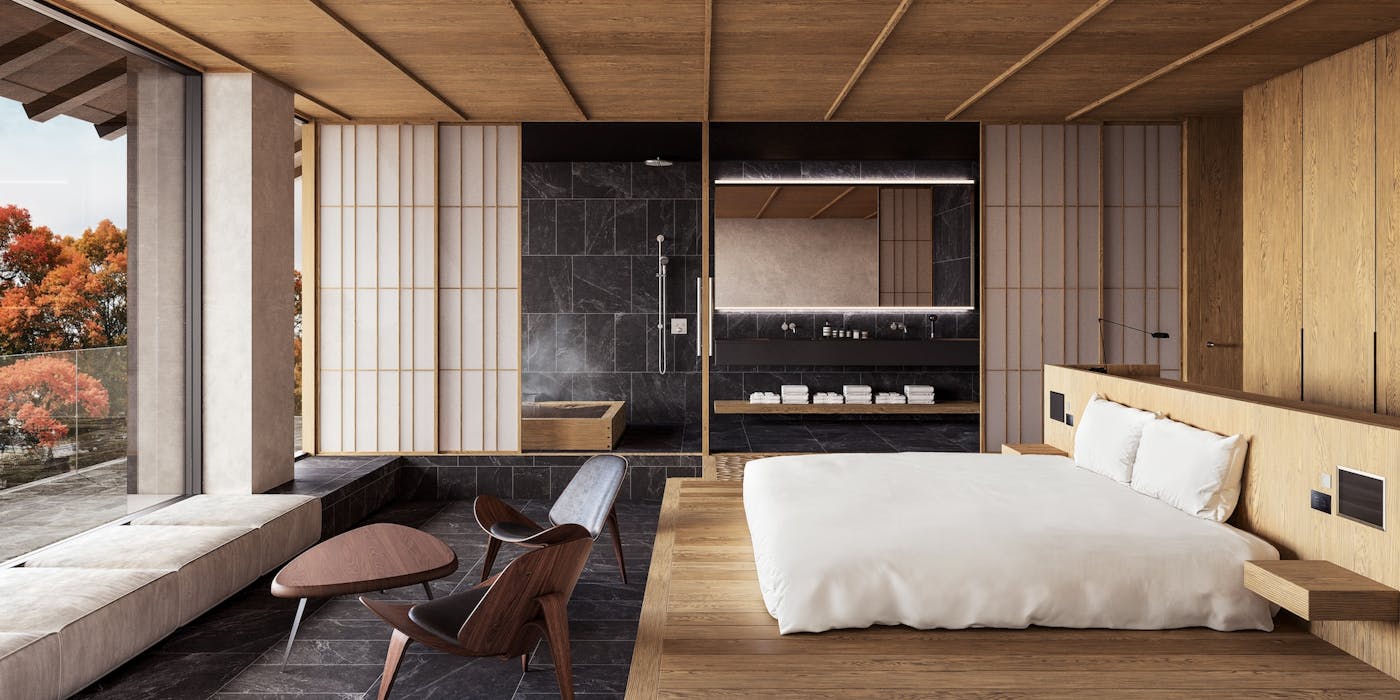
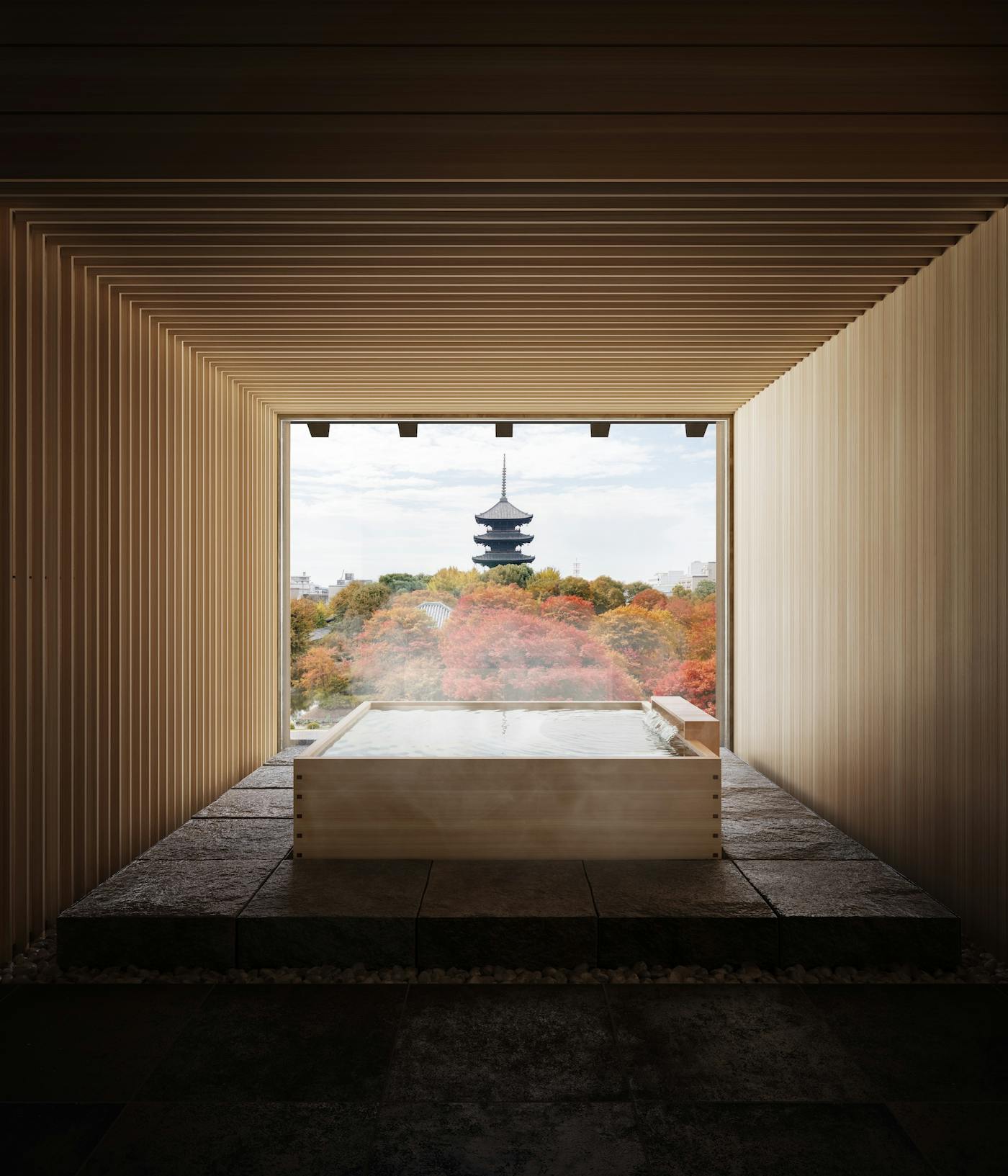
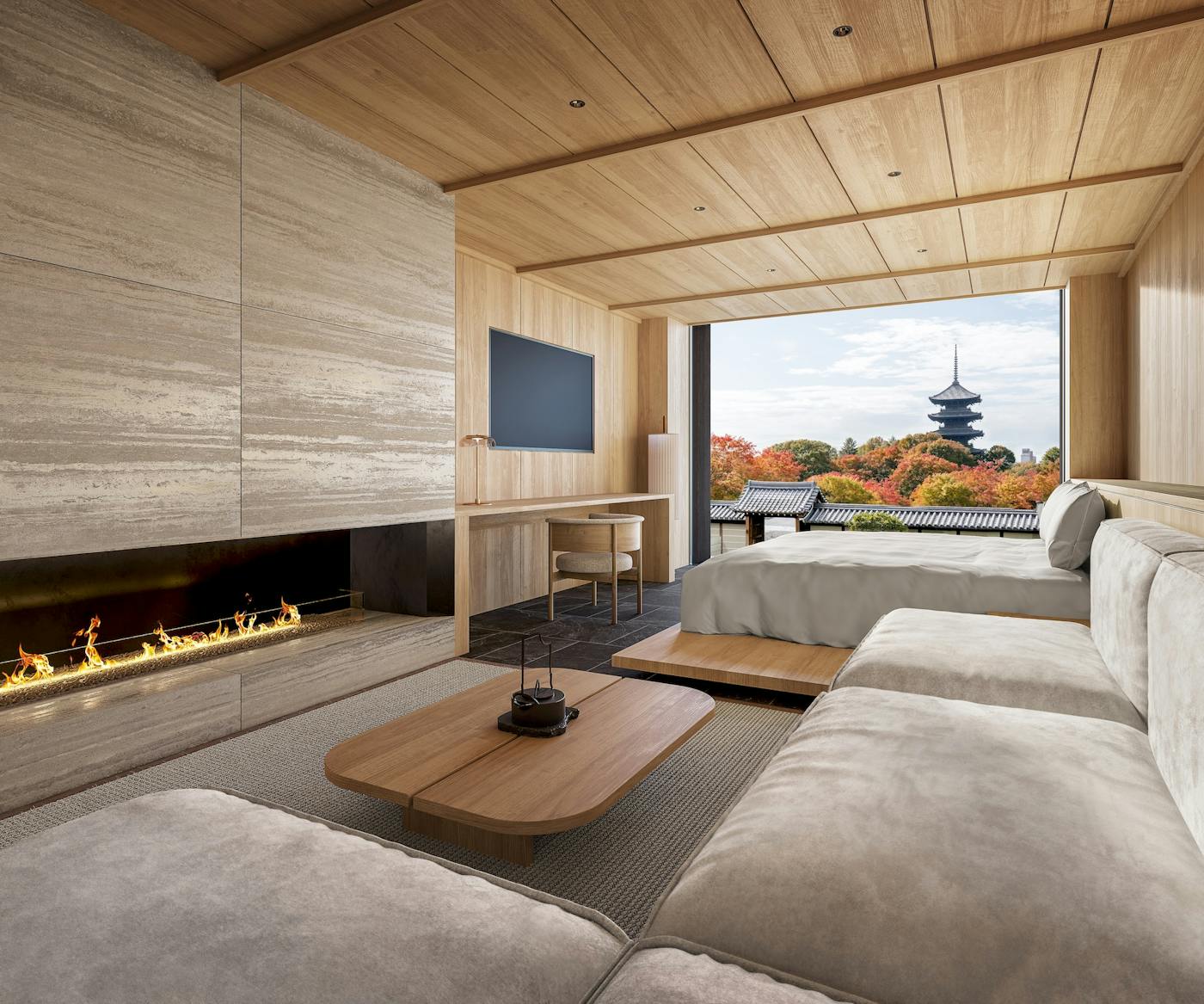
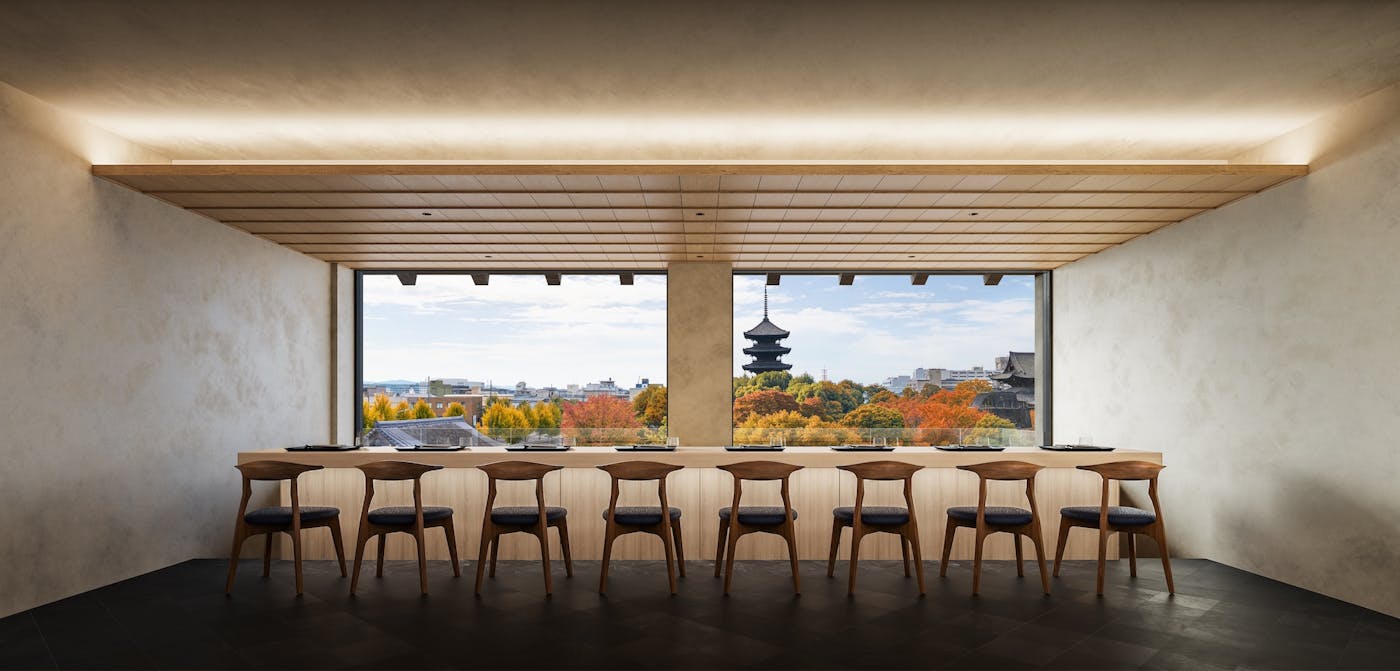

All CG renderings shown are conceptual images of the completed project. Specifications are subject to change.
About NOT A HOTEL Co., Ltd.

Company name: NOT A HOTEL Co., Ltd.
Representative: Shinji Hamauzu
Established: April 1, 2020
URL: https://notahotel.com/
X: @notahotel_inc(https://twitter.com/notahotel_inc)
Facebook: @NOTAHOTEL.official
Instagram: notahotel_official(https://www.instagram.com/notahotel_official/)
YouTube: https://www.youtube.com/@NOTAHOTEL
Inquiry form:https://notahotel.com/contact
Contact: [email protected]
Editor
David