“Spending time at NOT A HOTEL changes the way you live, even after you return home”
M.T.- TEXT:
- Yuji Kuramochi
- PHOTO:
- Ichi Nakamura (Nowhere)
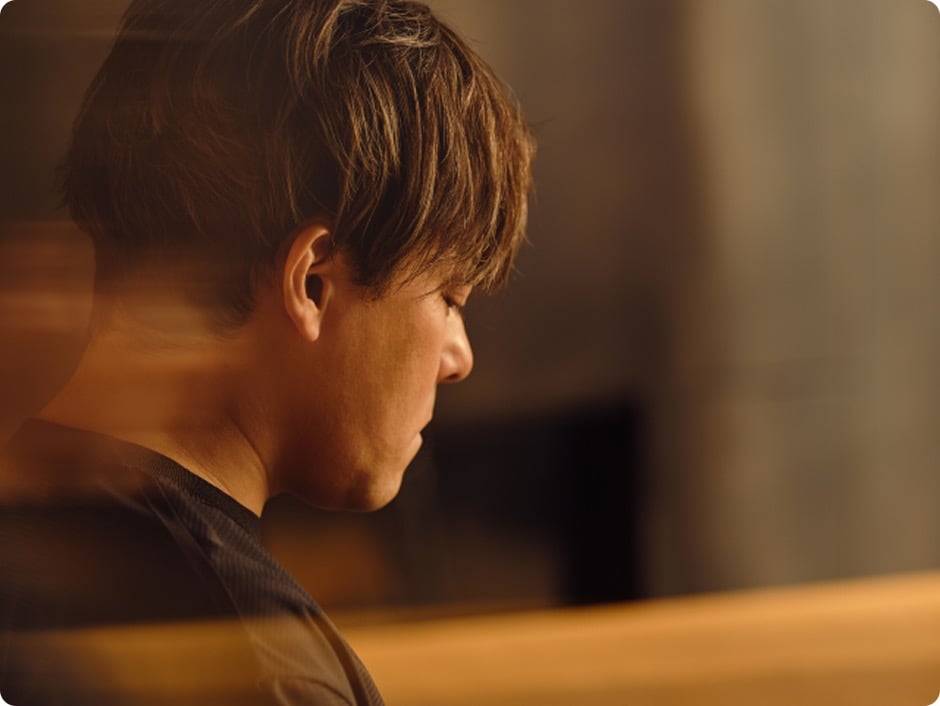
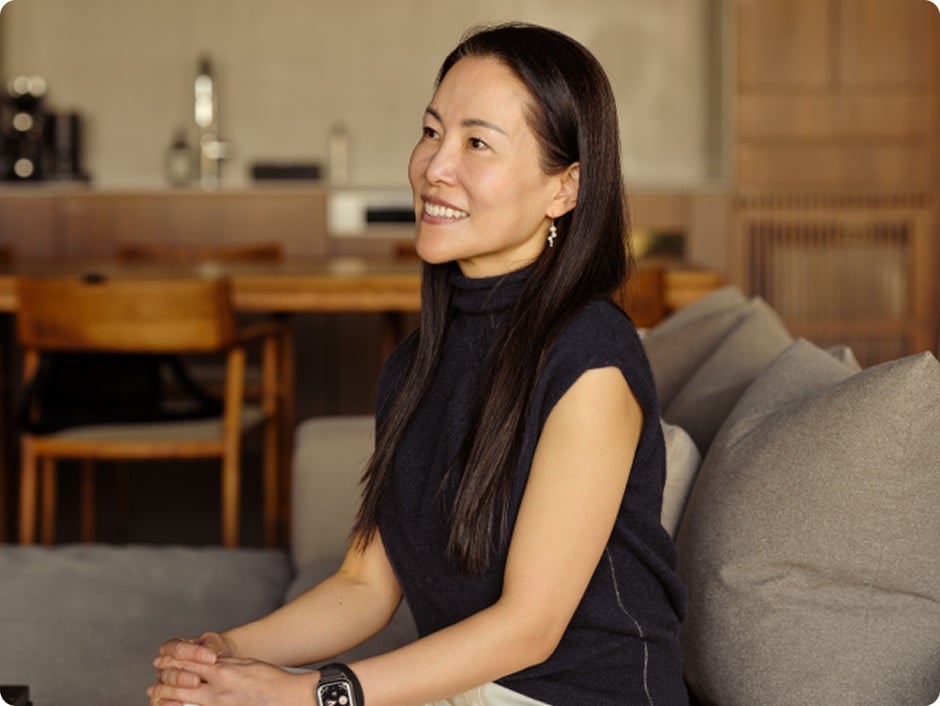
Can a space restore a person's inner balance? This is a question that M.T. has explored for many years, both as a physician and as an advisor on hospital design. Specializing in well-being, he helps people restore balance from within. Upon discovering NOT A HOTEL, he was struck by how closely its philosophy aligned with this approach. He owns TOJI as a place to spend precious time with his family and his beloved dog, and we spoke with him about what makes NOT A HOTEL so meaningful.
A Shared Philosophy of Restoring Balance
Alongside practicing medicine, he works to help people living with illnesses or disabilities lead fulfilling lives on their own terms. Describing himself as a “balancer,” he seeks to restore people's inner equilibrium through architecture, technology, and community referral (social prescribing). The goal is to support lasting well-being, in which mental, physical, and social needs are all fulfilled. His introduction to NOT A HOTEL began with the search for a peaceful place to spend time with his beloved dog. While exploring the website and property information, he sensed a philosophy that went beyond that of a conventional hotel or vacation home and decided to visit KITAKARUIZAWA. The experience resonated deeply with his own work in hospital design.
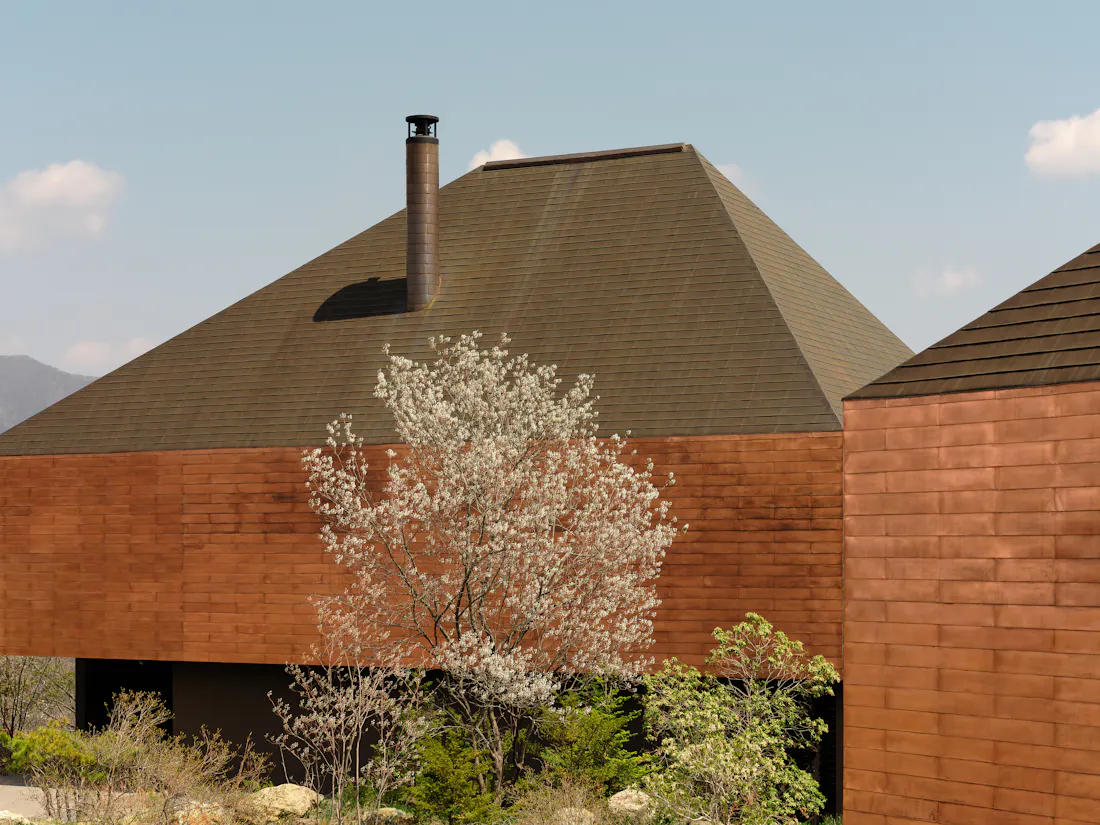
“When I visited, it far exceeded my expectations. Beyond the architecture itself, I experienced firsthand how an encounter with nature, left largely untouched, could affect the way we feel in our bodies. The openness that leaves room for interpretation, the design philosophy of subtraction, and the acceptance of change over time all resonated with me. At its core, it was remarkably similar to what I had been striving to achieve through hospital design: creating spaces that help restore a person's inner well-being.”
From Doing to Being
When he speaks about well-being, the distinction between “doing” and “being” is central to the conversation. "Doing" refers to an active state of striving to achieve something, while "being" describes a state of fulfillment that comes simply from existing in the present moment. Modern life, shaped by the pursuit of social media validation and constant smartphone use, is often dominated by Doing, making it easy to lose our physical and mental balance. At NOT A HOTEL, where unnecessary objects and distractions are kept to a minimum, a sense of quiet begins the moment guests complete the contactless check-in process. Free from the gaze and expectations of others, the environment naturally encourages a shift toward Being. “I believe the greatest form of kindness is allowing someone time without interruption. Only when we have moments of freedom and play, away from the judgment of others, can we truly be ourselves. I think that sense of freedom is what makes this place so comfortable.”
Breaking Free from a World Just 30 Centimeters Away
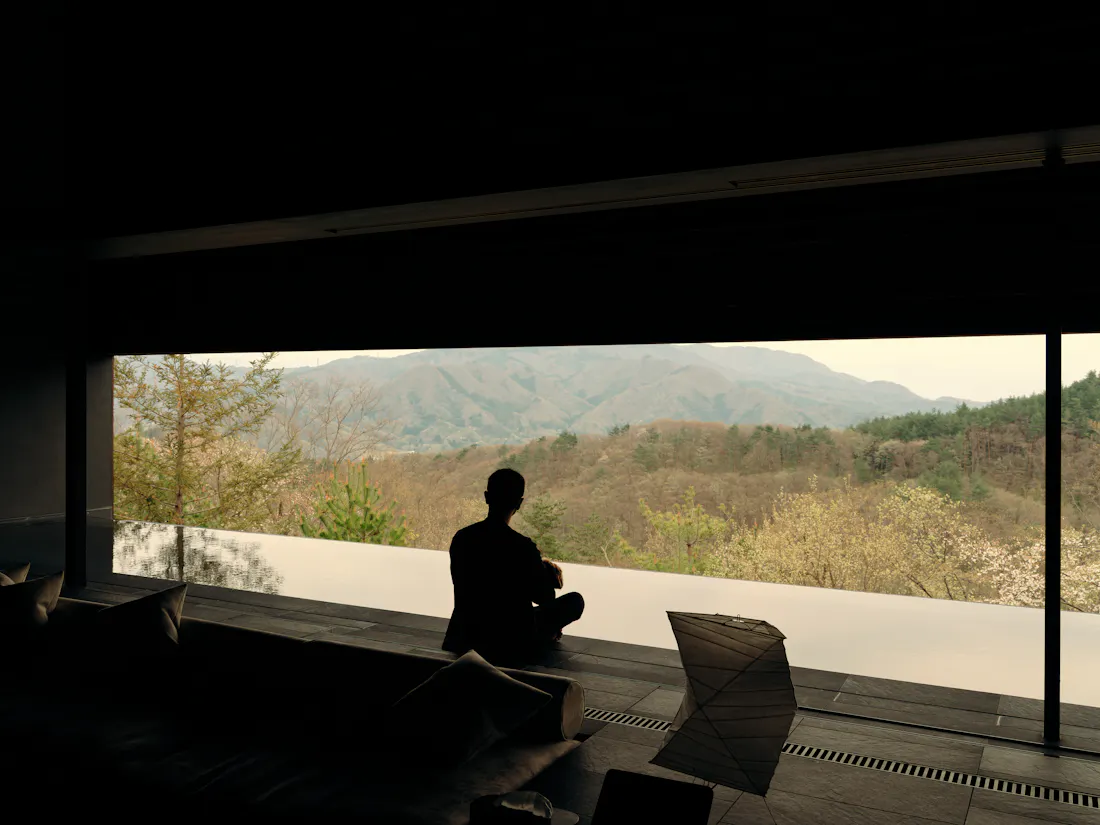
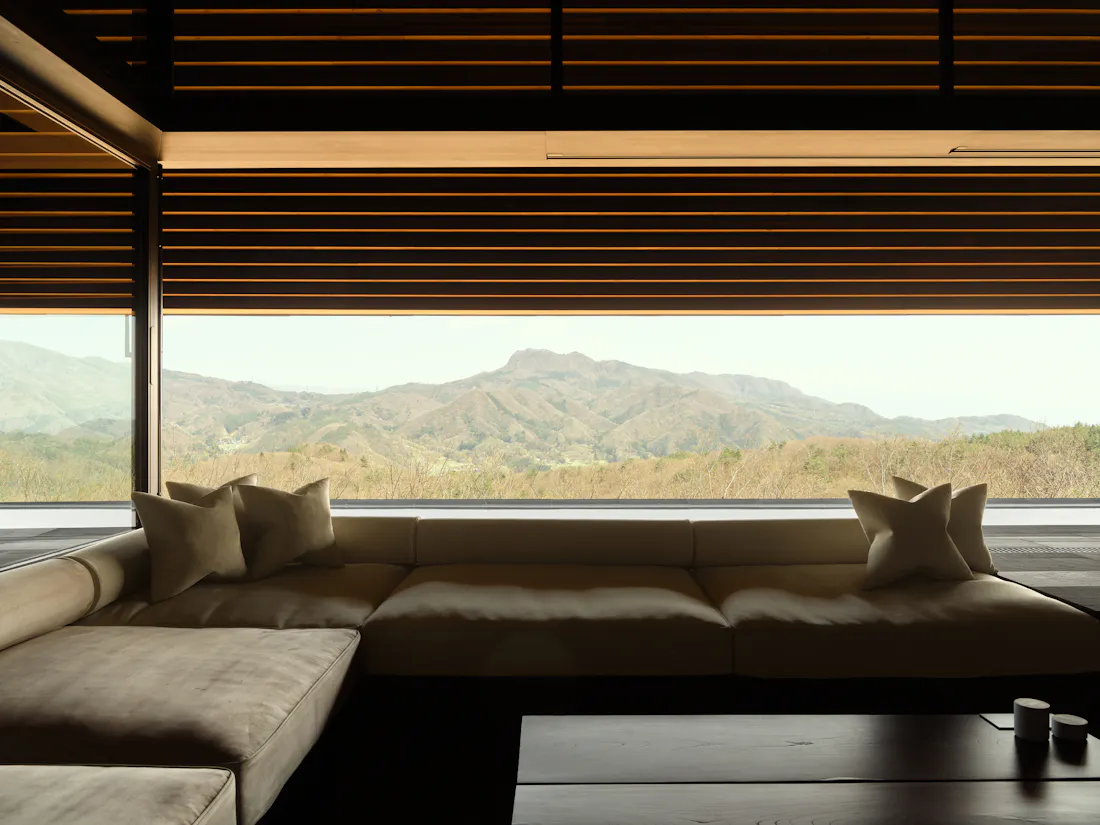
From his perspective as an ophthalmologist, the value of NOT A HOTEL's spaces is equally clear. Many people today spend much of their day looking at smartphones held just 30 centimeters from their eyes. Constant exposure to blue light and digital stimulation can keep the brain in a heightened state of alertness. In contrast, NOT A HOTEL naturally invites guests to look beyond the windows toward distant landscapes. At TOJI in MINAKAMI, in particular, the scenery framed by long horizontal windows and the gentle reflections of water dancing across the ceiling create a uniquely calming experience. “For much of the day, modern life confines our vision to a smartphone screen just 30 centimeters away. But when you come here, the eye muscles strained by prolonged screen use can physically relax, and the nature of the visual information reaching the brain changes. The distant scenery of MINAKAMI framed by the windows, and the shifting patterns of light across the ceiling, resemble natural rhythms such as flames or waves. Simply watching them can bring about a deeply calming state. It's almost as if the space has been designed to provide visual rest. I feel I've found here the same sense of inner peace and openness that I've long sought to create through hospital design. “I don't usually sleep particularly well, but whenever I stay here, I sleep exceptionally well. Even after a substantial dinner, I wake up feeling hungry the next morning. It feels as though my entire body has been revitalized.”
Welcoming Loved Ones into a Place of Your Own
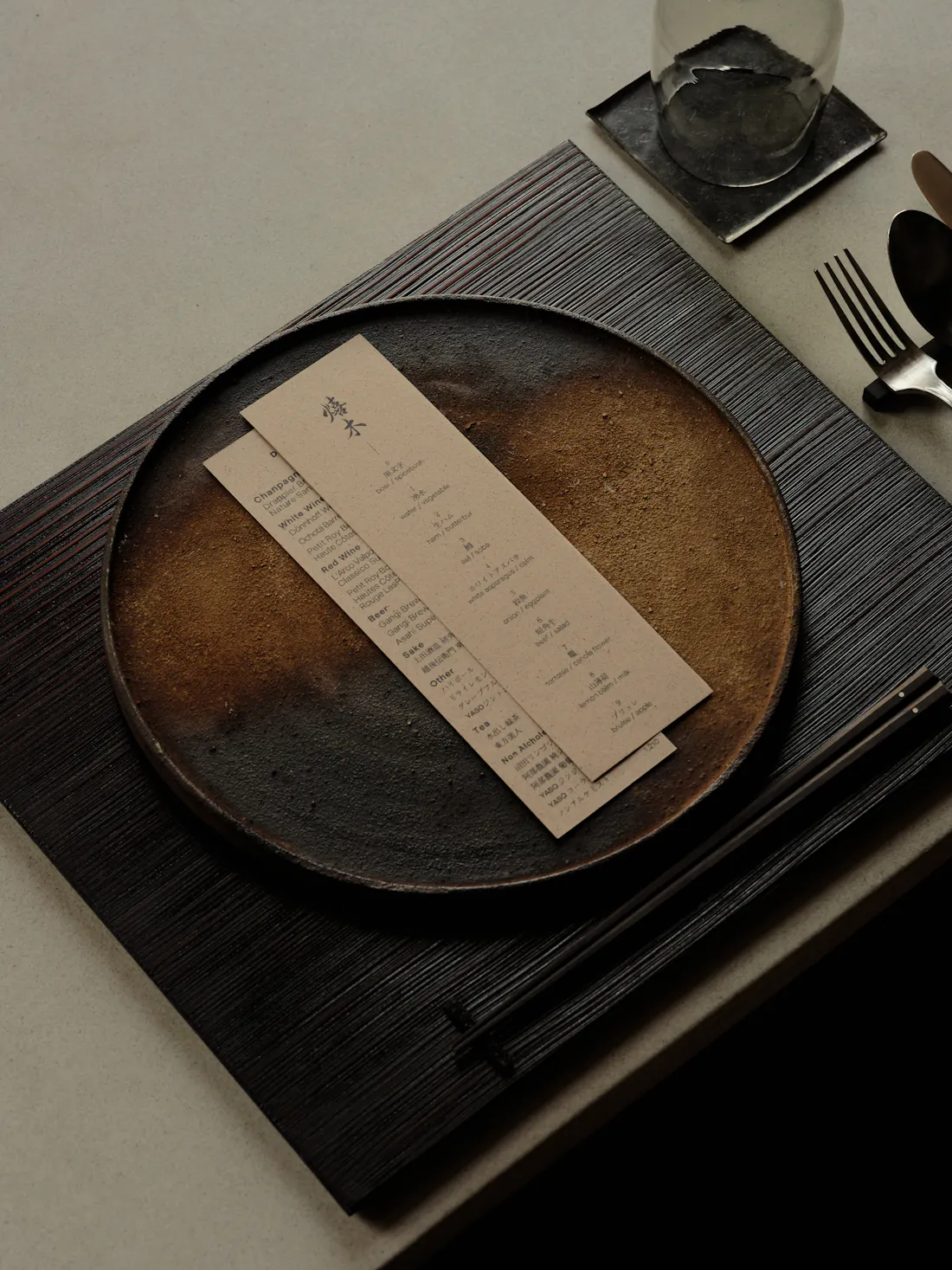
He chose ownership rather than simply booking stays because he wanted a place to which he could always return. Unlike inviting loved ones to a hotel while traveling, ownership makes it possible to welcome them into a place that truly feels like home. When he first brought his parents to TOJI in MINAKAMI, something unexpected happened. In the middle of dinner, his usually reserved father suddenly turned to the staff and said, “I've eaten so many things over the course of my life, but this is the best meal I've ever had. I'm glad I've lived long enough to experience it.” It was the first time he had ever heard his father say anything like that. It was his father's own awkward but heartfelt way of thanking his son, and it became an irreplaceable memory of giving something back to his parents.
“I don't think he would have reacted that way if I'd simply invited him on a trip to a hotel. I welcomed my family into my own place as their host, not as guests at a hotel. I believe that distinction meant something to them. For me, that's the most meaningful value that comes with ownership.”
Cherishing the Present with a Beloved Dog
Another reason he chose NOT A HOTEL was the desire to spend time in a comfortable environment with his beloved dog. To him, dogs are beings that live entirely in the present, without relying on words. Spending quiet moments together with a companion who communicates without language naturally brings him back to a state of being. What was most striking about NOT A HOTEL's dog-friendly design was the absence of special features that visibly separate dogs from people.
“If a space is comfortable for people, it can be comfortable for dogs too. There aren't excessive rules or signs, and the environment doesn't draw a distinction between people and their dogs. To me, that's what being truly dog-friendly means. Being able to share a private dining experience with my dog by my side is another unique luxury of this place.”
Preserving the Art of Hospitality Through Silence
Having experienced NOT A HOTEL at various locations, what he hopes will remain unchanged is its philosophy of subtraction. Rather than creating luxury by adding more, NOT A HOTEL embraces the space and silence that emerge from intentionally leaving things out. This is what makes it a project guided by a meaningful philosophy. The time spent here has an effect that extends far beyond each stay, quietly influencing his everyday life even after he returns home. “The richness of having less, and silence as a form of hospitality. I hope NOT A HOTEL will always stay true to that philosophy. It's not just the time you spend here that's special. The experience changes the way you live even after you return home. That's what NOT A HOTEL means to me.”